
Vallauris, the ceramics capital
A story much older than Picasso
When we talk about Vallauris, we immediately think of Picasso.
Yet, Picasso is not the origin of the ceramic tradition of Vallauris.
Local production dates back several centuries.
The quality of local clays particularly favored the manufacture of culinary pottery.
By the 16th century, production was already sufficiently developed for the "terraille" to be transported to Golfe-Juan, then loaded onto boats.
The Massier
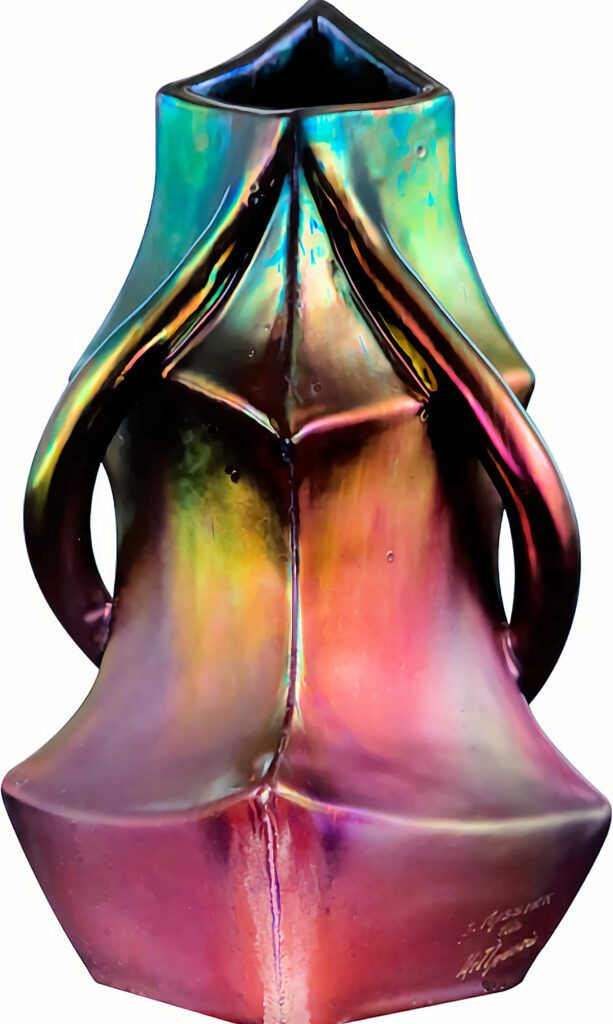
At the end of the 19th century, the Massier family contributed to profoundly transforming local production.
Ceramics are no longer just utilitarian: colored glazes and metallic pigments are paving the way for true artistic ceramics.
Jean Gerbino
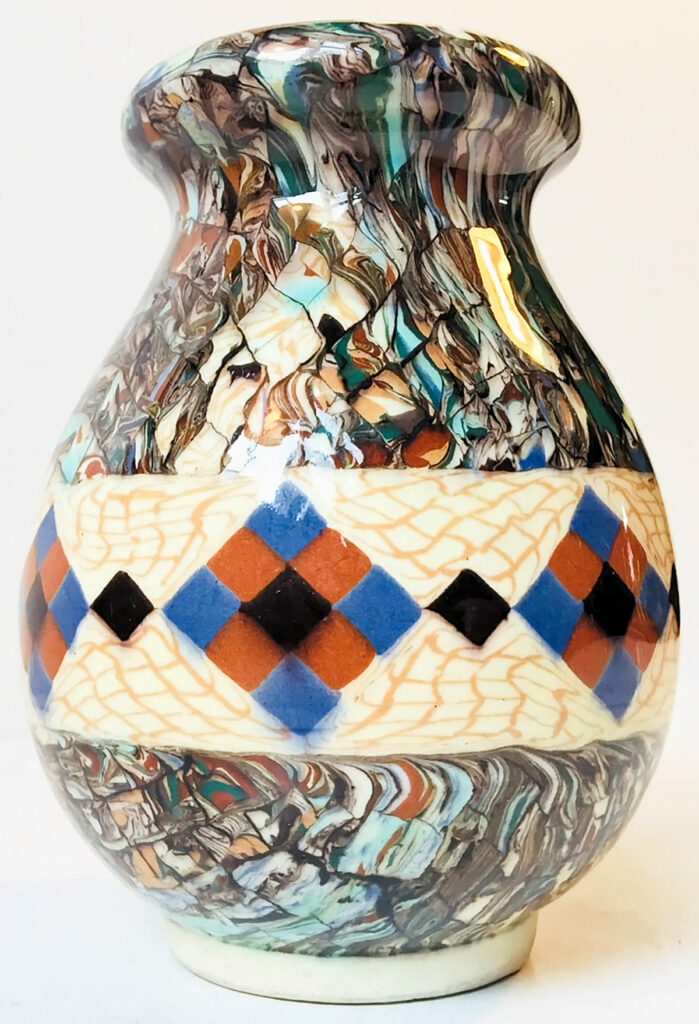
In the 1930s, Jean Gerbino developed his technique of mosaic using colored earths.
His work constitutes one of the original expressions of Vallauris ceramics.
The Golden Age
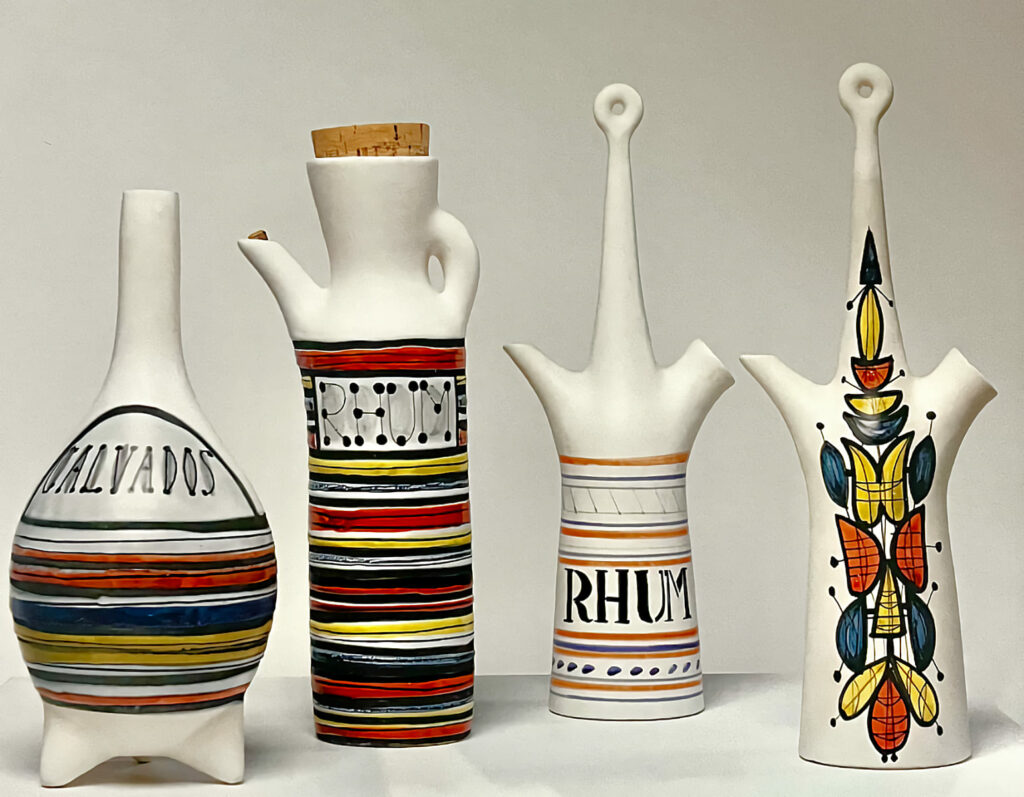
After the Second World War, Vallauris experienced an extraordinary revival.
Suzanne Ramié, Roger Capron, Alice Colonieu, Jean Derval and many other artists are taking part in this new adventure.
Then Picasso arrived.
Its presence gives Vallauris an international reputation and attracts many artists who come to experiment with ceramics.
A tradition that lives on
Ceramics do not belong solely to the past.
Vallauris still welcomes artists and creators today, which testifies in particular to the desire to maintain the city in a dynamic of contemporary creation.
My advice :
Don't just visit a museum.
Take the time to stroll through the streets of Vallauris, especially around Avenue Georges Clemenceau: workshops, ceramic shops, and galleries offer a chance to discover the workshop city.